

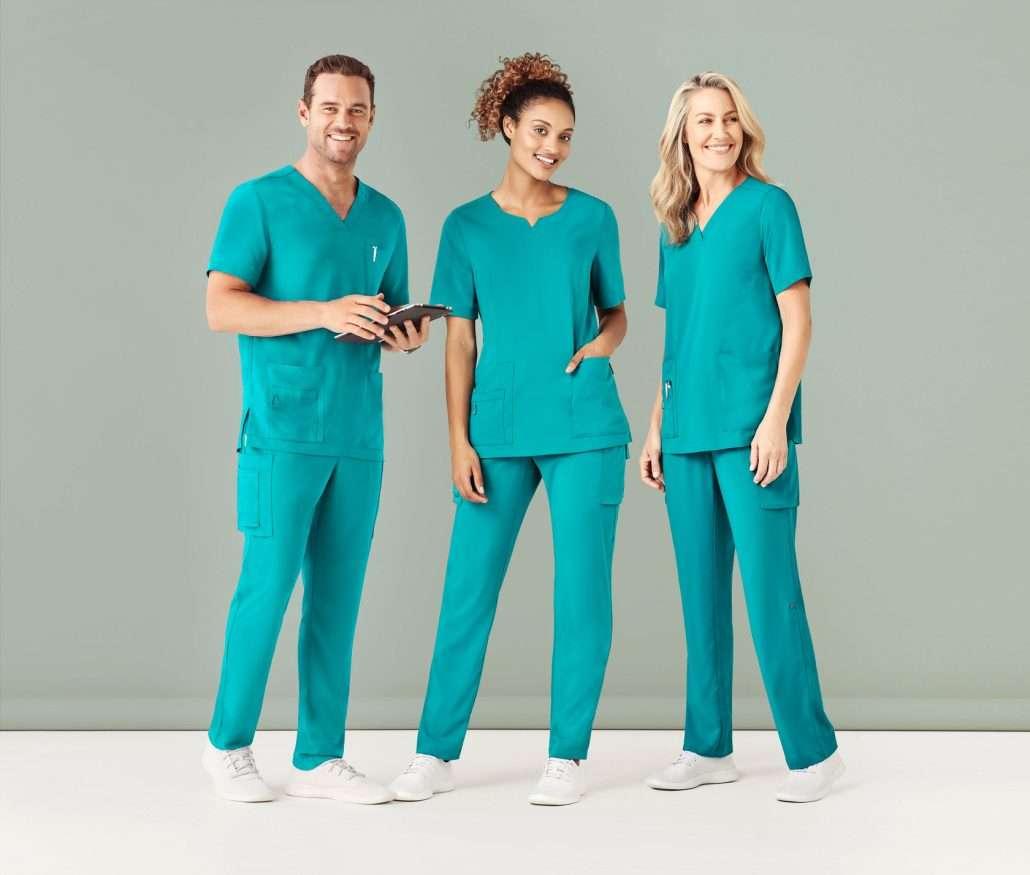
Scrubs are more than just uniforms—they are an everyday essential for doctors, nurses, and allied health professionals. Whether performing long shifts, handling stressful emergencies, or engaging in patient care, professionals rely on scrubs for comfort, hygiene, and identity. With so many options available today, choosing the right pair of scrubs goes beyond picking a color or style.
It requires an understanding of material quality, functionality, fit, durability, safety, and even psychological impact. Here are key factors medical professionals should consider when selecting scrubs.
Fabric Quality and Comfort
The first thing healthcare workers need from scrubs is comfort. Because professionals often spend 8–12 hours or more in their scrubs, the fabric must be breathable, lightweight, and soft against the skin. Cotton-blend scrubs are popular because they wick away moisture while allowing airflow, reducing discomfort during busy shifts.
Some modern scrubs incorporate stretch fabrics that enhance mobility, allowing workers to bend, lift, or walk quickly without restriction. Antimicrobial finishes are another valuable addition, helping reduce bacterial growth and improve hygiene.
Fit and Mobility
Just like athletic wear, scrubs must offer freedom of movement. A poorly fitted top or tight trousers can impede mobility and reduce productivity. Today’s scrubs come in various cuts, including slim fit, relaxed fit, jogger styles, and athletic silhouettes.
Adjustable waistbands, drawstrings, and elastic edges improve fit while ensuring comfort for different body shapes. Professionals should try scrubs that allow easy arm movement, bending at the waist, and flexibility at the shoulders and knees. A good fit improves confidence and helps staff maintain a polished, professional appearance.
Functionality and Practical Features
Healthcare environments demand practicality. Scrubs should make daily tasks easier through functional design. Well-placed pockets, loops, and compartments allow staff to carry essentials such as pens, scissors, ID badges, phones, and medical tools.
Reinforced stitching at stress points, such as pockets or seams, helps scrubs withstand frequent movement and washing. Multi-pocket tops, cargo-style pants, and badge loops are increasingly popular among those who depend on quick access to tools during fast-moving shifts.
Durability and Easy Care
Scrubs undergo intense washing cycles to maintain hygiene, which can wear down fabrics over time. Therefore, durability matters. Professionals should look for scrubs with fade-resistant colors, anti-wrinkle finishes, and sturdy material designed to hold shape after repeated laundering.
Easy-care fabrics that do not require ironing save time and keep uniforms looking sharp every day. Investing in high-quality scrubs may cost more initially, but it pays off through longevity and reduced replacement frequency.
Style and Professional Identity
Modern scrubs strike a balance between function and style. Design and color can influence confidence, morale, and patient perceptions. A professional, well-fitted scrub set conveys competence and care.
Many healthcare workers now prefer tailored designs, subtle color accents, or unique fits to reflect their personality while maintaining professionalism. Choosing scrubs, you feel comfortable and confident wearing contributes to job satisfaction—an important, often overlooked factor.
Conclusion
Choosing the right scrubs is an investment in personal comfort, professional confidence, and workplace safety. By prioritizing fabric quality, fit, durability, functionality, and hygiene features, medical professionals can find scrubs that enhance their performance and wellbeing. As healthcare demands evolve, selecting scrubs intentionally—not just wearing what is available—results in better efficiency, comfort, and trust in clinical settings