

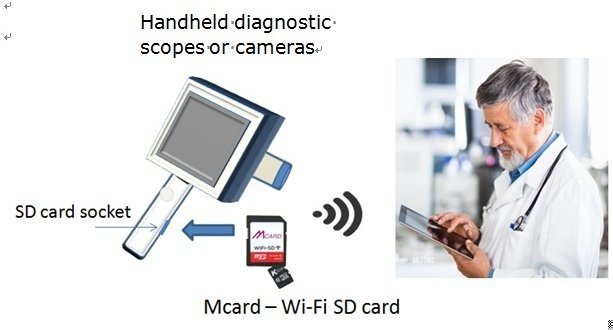
Are you concerned about the health of the SD card in your IoT device? Don’t worry, we have the answer for you! Maintaining the health of the SD card in your IoT device is crucial for ensuring smooth operation and preventing data loss. In this article, we will discuss the importance of monitoring the health of your device’s SD card and provide you with practical tips to keep it in optimal condition. So, let’s dive right into understanding the world of IoT device SD card health and how you can ensure its longevity.

IOT DEVICE SD CARD HEALTH
When it comes to the Internet of Things (IoT), ensuring the health and reliability of devices is of utmost importance. One critical component that plays a significant role in the performance and storage capabilities of IoT devices is the SD card. In this article, we will explore the concept of IoT device SD card health in detail, discussing its importance, factors affecting it, and best practices to maintain and optimize it for optimal performance.
What is an SD Card?
SD card stands for Secure Digital card, which is a type of flash memory storage commonly used in electronic devices such as digital cameras, smartphones, and, of course, IoT devices. It provides a convenient and portable storage solution for data, allowing devices to store and retrieve information quickly.
SD cards come in different capacities, ranging from a few gigabytes (GB) to terabytes (TB). They utilize non-volatile memory, meaning they retain data even after the power is turned off, making them an ideal choice for IoT devices that need to store and transfer data efficiently.
The Importance of SD Card Health in IoT Devices
IoT devices rely heavily on SD cards for data storage, firmware updates, and overall performance. The health and reliability of the SD card directly impact the device’s ability to function effectively and deliver its intended purpose. Here are a few reasons why maintaining good SD card health in IoT devices is crucial:
- Data Integrity: IoT devices often handle sensitive or critical data, such as sensor readings, user information, or log files. A healthy SD card ensures the integrity and reliability of this data, minimizing the risk of data loss or corruption.
- Performance Optimization: A well-maintained SD card contributes to better overall device performance. It reduces the chances of data read/write errors, enables faster data access, and improves the device’s responsiveness.
- Reliability: IoT devices, especially those deployed in remote or inaccessible locations, need to be reliable. A failing SD card can lead to unexpected device failures, potentially causing disruption or costly downtime.
- Cost Savings: By ensuring the health of SD cards in IoT devices, organizations can minimize the need for frequent replacements or repairs, resulting in cost savings in the long run.
Factors Affecting SD Card Health
Several factors can impact the health and longevity of SD cards in IoT devices. Understanding these factors is essential for implementing effective strategies to maintain and optimize SD card health. Let’s explore some of the primary factors:
1. Temperature:
Extreme temperatures can adversely affect the performance and lifespan of SD cards. High temperatures can cause data corruption, while low temperatures can lead to reduced write and read speeds. Maintaining the recommended temperature range for SD cards is crucial for ensuring their health in IoT devices.
2. Power Interruptions:
Power interruptions or sudden power loss during data read/write operations can lead to data corruption or damage to the SD card’s file system. Implementing reliable power backup solutions or employing techniques like journaling file systems can help mitigate this risk.
3. Overwriting and Write Cycles:
SD cards have a limited number of write cycles, meaning they can only handle a certain number of write operations before their performance and reliability start to degrade. Continuous overwriting of data or excessive write cycles can reduce the lifespan of SD cards. Proper data management practices, such as distributing write operations evenly across the card or using wear-leveling algorithms, can help prolong SD card life.
4. File System Corruption:
File system corruption can occur due to improper handling, sudden power loss, or software errors. A corrupted file system can lead to data loss, reduced performance, or even render the SD card unusable. Regularly checking and repairing file system errors using tools like fsck (file system check) can help prevent or resolve such issues.
5. ESD (Electrostatic Discharge) Protection:
Electrostatic discharge can damage SD cards when handling or inserting them into devices. Implementing proper ESD protection measures, such as grounding personnel or using anti-static packaging, is crucial to prevent ESD-related damage to SD cards.
6. Improper Removal:
Removing an SD card from an IoT device without safely ejecting it can lead to data corruption or damage. It is essential to follow the recommended procedures for safely removing SD cards to ensure data integrity and protect the card from potential physical harm.
Best Practices for Maintaining SD Card Health
Now that we understand the significance of SD card health and the factors that can affect it, let’s explore some best practices to maintain and optimize the health of SD cards in IoT devices:
1. Choose High-Quality SD Cards:
Investing in high-quality SD cards from reputable manufacturers can significantly improve the longevity and performance of IoT devices. Opt for SD cards specifically designed for industrial or extended temperature range applications, as they are built to withstand harsh environments and ensure better reliability.
2. Monitor SD Card Health:
Regularly monitor the health and performance of SD cards in IoT devices. Implement monitoring solutions that provide insights into various parameters such as temperature, read/write errors, and erase cycles. Monitoring can help identify potential issues early on and take proactive measures to prevent data loss or device failures.
3. Ensure Proper Power Supply:
Provide a stable and reliable power supply to IoT devices to minimize the risk of sudden power loss or interruptions during critical data operations. Employ backup power solutions, such as uninterruptible power supplies (UPS), to ensure continuous power availability and protect SD cards from data corruption.
4. Implement Temperature Control:
Maintain the recommended temperature range for SD cards to prevent overheating or extreme cold conditions. Implement proper ventilation and cooling mechanisms to regulate the temperature around IoT devices, especially those operating in challenging environments.
5. Practice Regular Backups:
Perform regular backups of critical data stored on SD cards. This helps mitigate the risk of data loss due to card failures or accidental deletions. Choose reliable backup solutions that automate the backup process and ensure data redundancy.
6. Safely Eject SD Cards:
Always follow the recommended procedures for safely ejecting SD cards from IoT devices. This ensures that all pending write operations are completed, reducing the risk of data corruption. Avoid removing SD cards while the device is still actively reading or writing data.
7. Protect Against ESD:
Take necessary precautions to protect SD cards from electrostatic discharge. Ground personnel, use anti-static mats, and handle SD cards carefully to prevent ESD-related damage.
8. Keep Firmware and Drivers Updated:
Maintain up-to-date firmware and drivers for both the IoT device and the SD card itself. Manufacturers release updates to address performance issues, enhance compatibility, and fix security vulnerabilities. Regularly check for updates and apply them as recommended.
9. Use Error Correction Codes (ECC):
Enable Error Correction Codes (ECC) on IoT devices that support it. ECC helps detect and correct bit errors that can occur during data storage or transmission. This ensures data integrity and reduces the chances of data corruption or loss on SD cards.
By following these best practices, organizations can ensure the health and longevity of SD cards in their IoT devices, resulting in improved performance, reliability, and cost savings.
IoT Based Patient Health Monitoring System using ESP32 Web Server
Frequently Asked Questions
What is the importance of SD card health for an IoT device?
Ensuring the health of the SD card in an IoT device is crucial for its optimal performance and reliability. The SD card serves as the storage medium for data, applications, and operating systems, making it essential for the device’s proper functioning.
How can I monitor the health of the SD card in my IoT device?
To monitor the health of the SD card, you can use various tools and techniques. These include checking the card’s storage capacity, running diagnostic tests to identify any potential issues, monitoring the card’s temperature, and regularly inspecting for physical damage or signs of wear and tear.
What are the common signs of SD card problems in an IoT device?
Several indicators can point to potential SD card problems in an IoT device. These signs may include sudden data loss or corruption, slow or erratic performance, frequent system crashes or reboots, or error messages related to the storage medium. If you encounter any of these issues, it is advisable to investigate the SD card’s health.
How can I maintain a healthy SD card for my IoT device?
To maintain a healthy SD card, you should follow a few best practices. These include regularly backing up important data, using reliable and reputable SD cards, avoiding sudden power outages or improper shutdowns, using a surge protector if necessary, and keeping the card clean and free from dust or debris.
Is it possible to extend the lifespan of an SD card in my IoT device?
While SD cards have a limited lifespan due to the finite number of read/write cycles they can endure, certain practices can help extend their longevity. These practices involve avoiding excessive write operations, minimizing unnecessary data transfers, implementing wear-leveling techniques, and periodically formatting the card to prevent fragmentation.
How frequently should I replace the SD card in my IoT device?
The frequency of SD card replacement in an IoT device depends on various factors, such as the device’s usage patterns, the quality of the SD card, and the criticality of the data being stored. It is recommended to replace the SD card periodically, especially if you start experiencing issues or notice signs of degradation.
Final Thoughts
In conclusion, maintaining the health of SD cards in IoT devices is crucial for their optimal performance. Regular monitoring and ensuring proper handling can prevent data loss and system failures. By monitoring the available storage space, updating firmware, and using high-quality SD cards, the longevity of IoT devices can be extended. Additionally, implementing regular backups and optimizing data storage can improve overall efficiency. When it comes to IoT device SD card health, proactive measures can go a long way in ensuring smooth operations and minimizing disruptions.